
5 January 2026 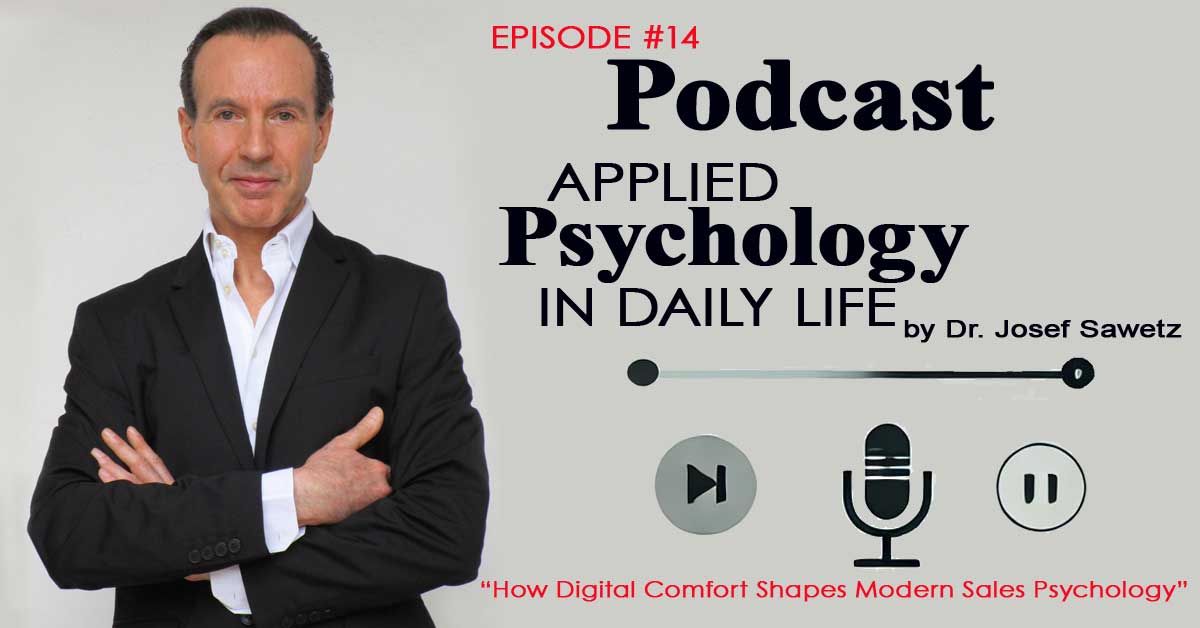 We get much of our information and shape our daily life through digital media. We move in digital spaces such as social media almost naturally. We chat with friends, look at their holiday photos, read their opinions on current topics, and sometimes discuss quite openly on public platforms. These environments feel familiar and safe. What we often forget is that these platforms generate billions in revenue – largely because we freely share our thoughts, interests, and habits. Fashion, beauty, and travel show this clearly. When we like a fashion post, suddenly our feed is full of similar styles. When we watch a beauty tutorial, new products appear in ads within minutes. When we search for a trip to Lisbon, hotels and flights follow us across platforms. Every look and every click becomes another building block in a personal profile that advertising can use. This can be helpful, because content fits our interests. It can also be limiting, because we mainly see what confirms our existing views. This digital logic is the starting point of the new podcast by Dr. Josef Sawetz, a psychologist and lecturer who focuses on applied psychology. His latest episode is the first one this year in his podcast series "Applied Psychology in Daily Life". In this episode, he looks at modern sales in a digital environment and explains the science behind it in a clear and accessible way. The Cro-Magnon Brain in a Digital WorldDr. Sawetz explains that our brain structure is still very old. He calls it the Cro-Magnon Brain. Even today, our brain scans information very quickly and decides within seconds what is relevant. This is why short, emotional content works so well online. Complex information is often filtered out.TikTokization and Trigger WordsThis leads to TikTokization: content becomes shorter, faster, and more emotional. Platforms train us to react instantly. Advertising uses this by working with trigger words that activate emotions like fear of missing out or the promise of gain. Positive moods reduce critical thinking, while fear-based messages push fast decisions.Triple Diversity and Digital FootprintsAnother key term is Triple Diversity. It describes today's complex audience: different generations, cultures, and media habits at the same time. Combined with digital footprints – the data trails we leave online – this allows very precise profiling. Dr. Sawetz explores the topic in the podcast through a dialogue between two AI-generated voices. In addition, listeners can download accompanying slides as a PDF.The podcast offers an entertaining introduction to the psychology behind modern sales and digital influence. Five minutes of listening might be enough to see your next click with a bit more awareness. 🎙️ AI-generated Podcast
Image: Portrait of Dr. Josef Sawetz |